Key Points
- The Prince’s Government of Monaco has pledged to make structural changes to urban event logistics following traffic congestion during the latest Monaco Yacht Show.
- Traffic mitigation measures—including free public bus services and targeted regulation by the Public Security department—helped reduce overall disruption across the Principality during the main event.
- National Council member Nicolas Croesi raised sharp concerns during amending budget debates regarding a firefighters’ training drill held in the Condamine garage during the event and infrastructure setup delays.
- Minister of Public Works, the Environment and Urban Development Céline Caron-Dagioni confirmed she will meet with the new organizers of the Monaco Yacht Show to overhaul setup phases.
- Government officials confirmed that mid-event emergency drills in critical parking structures will not be repeated during future major public gatherings.
Monaco (Monaco Weekly Newspaper) October 26, 2026 — The Prince’s Government of Monaco has pledged to implement operational changes to urban mobility management following traffic congestion caused by setup works and a emergency services drill during the latest Monaco Yacht Show. During legislative debates on the Principality’s amending budget, National Council members commended the temporary deployment of free public bus transport and active traffic control by the Direction de la Sûreté Publique. However, lawmakers voiced strong objections over localized gridlock triggered by event infrastructure assembly and a firefighters’ exercise conducted inside a central public parking garage. In response, Minister of Public Works, the Environment and Urban Development Céline Caron-Dagioni confirmed plans to meet with the show’s new organizers to reform preliminary setup protocols and eliminate non-essential emergency drills during high-profile events.
- Key Points
- What Traffic Mitigation Measures Were Deployed During the Monaco Yacht Show?
- Why Did National Council Lawmakers Raise Concerns Over Event Congestion?
- How Does the Monaco Government Plan to Address Setup Disruption and Organizer Relations?
- Background of the Particular Development
- How This Development Can Affect Monaco Residents, Commuters, and Event Organizers
What Traffic Mitigation Measures Were Deployed During the Monaco Yacht Show?
As reported by regional journalists covering municipal affairs and urban transport in the Principality, government authorities implemented several targeted initiatives to limit urban congestion throughout the duration of the Monaco Yacht Show.
To encourage soft mobility and reduce personal motor vehicle reliance along Port Hercule, state authorities introduced fee-free public transit options across the Compagnie des Autobus de Monaco (CAM) network both before and immediately after the event. Furthermore, dedicated officers from the Public Security department (Direction de la Sûreté Publique) were stationed at key vehicular intersections, pedestrian crossings, and boulevard bottlenecks to manually regulate traffic flows.
Operational reports indicate that these measures, combined with early logistics coordination by event organizers during the preliminary build phase, helped maintain general mobility across the Principality’s densely populated thoroughfares.
Why Did National Council Lawmakers Raise Concerns Over Event Congestion?
As reported by parliamentary correspondents monitoring the National Council’s amending budget debates, elected representatives argued that despite overall transport improvements, specific logistical oversights caused avoidable frustration for local residents and commuters.
During the parliamentary session, National Council member Nicolas Croesi explicitly highlighted two major sources of traffic disruption: the prolonged assembly of event infrastructure along public roads and an ill-timed firefighters’ drill conducted in the Condamine parking garage during the exhibition.
Addressing the assembly regarding the emergency exercise, National Council member Nicolas Croesi stated: “As soon as we became aware of the exercise, we told them, and it will not happen again.” Lawmakers emphasized that conducting routine training drills within key municipal parking facilities during a major international event unnecessarily choked local traffic in the Condamine district.
How Does the Monaco Government Plan to Address Setup Disruption and Organizer Relations?
As reported by administrative reporters following executive proceedings, state ministers acknowledged the concerns raised by the National Council and committed to tightening event oversight rules.
Céline Caron-Dagioni, Minister of Public Works, the Environment and Urban Development, confirmed that state authorities will actively intervene to prevent assembly delays from interfering with daily life in Monaco. Minister Céline Caron-Dagioni stated that she planned to meet directly with the Monaco Yacht Show’s new organizing team to establish stricter operational guidelines for preliminary construction windows.
Emphasizing the government’s refusal to accept recurring urban congestion during major trade events, Minister Céline Caron-Dagioni stated: “I will certainly contact them to improve the way these preliminary setup phases are handled because, no, we are not resigned to this. Never.”
Background of the Particular Development
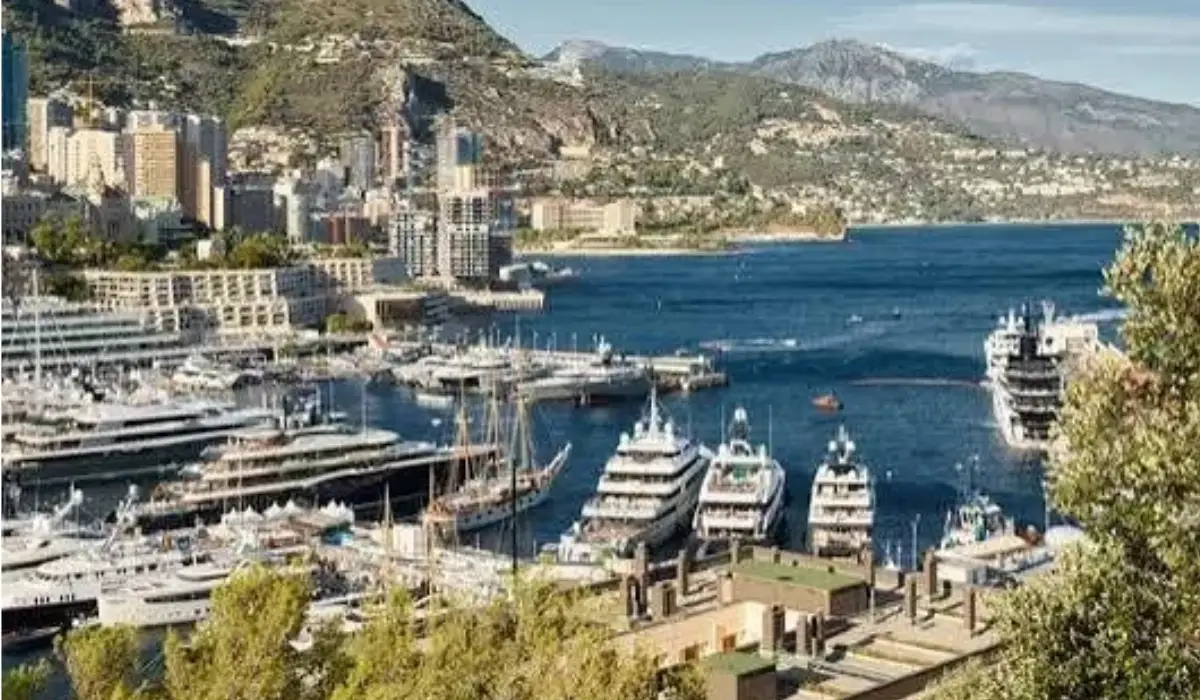
The Monaco Yacht Show is among the largest annual commercial events hosted in the Principality, attracting tens of thousands of international visitors, industry executives, and superyacht crews to Port Hercule. However, operating a major international trade show within Monaco’s compact $2.02\text{ km}^2$ urban footprint presents complex logistics challenges for municipal planners.
In recent years, the build-up and breakdown phases for the exhibition have extended over several weeks, requiring temporary street closures, pedestrian diversions, and heavy vehicle deliveries through narrow urban corridors. This prolonged construction timeline frequently conflicts with daily commuter movements, municipal bus routes, and local business deliveries.
To balance commercial economic benefits with quality of life for residents, the Prince’s Government has increasingly relied on multi-modal mobility plans. These include expanding park-and-ride facilities on the city’s periphery, promoting electric bicycle networks, and deploying human traffic regulation by the Direction de la Sûreté Publique. Nevertheless, coordination gaps between municipal emergency services, private event contractors, and transport authorities continue to test urban capacity during peak autumn event schedules.
How This Development Can Affect Monaco Residents, Commuters, and Event Organizers
The executive pledge to overhaul setup management and eliminate conflicting operational drills will directly influence local residents, municipal service departments, and commercial event organizers across the Principality.
Impact on Local Residents and Daily Commuters
For Monaco residents and cross-border commuters from neighboring French and Italian municipalities, the government’s commitment guarantees more predictable traffic flows during late-September event windows. Banning non-essential emergency services drills in central car parks during major public gatherings will prevent localized gridlock in commercial hubs like the Condamine. Additionally, refined setup schedules should shorten the duration of street closures, restoring full access to municipal parking structures and public walkways faster.
Operational Adjustments for Event Organizers and Logistics Contractors
For the new management team behind the Monaco Yacht Show and third-party logistics contractors, the upcoming coordination meetings with Minister Céline Caron-Dagioni will introduce stricter compliance benchmarks. Organizers will likely be required to compress construction and dismantling windows, schedule heavy material deliveries strictly during off-peak night hours, and fund additional off-site staging areas for freight vehicles. While these mandates may increase operational planning costs for event producers, they will ensure the long-term social license and community acceptance of large-scale commercial exhibitions in Monaco.