Key Points
- Representation of 700 Million Europeans: Lionel Beffre, Monaco’s Minister of the Interior, addressed the 51st session of the Congress of Local and Regional Authorities, representing Monaco’s chairmanship of the Committee of Ministers of the Council of Europe.
- Focus on Democratic Values & Youth: Beffre emphasised the vital role of regional and local authorities in safeguarding fundamental freedoms, advocating for youth empowerment through critical thinking and tools to combat disinformation rather than decision-making on their behalf.
- Unwavering Support for Ukraine: The Minister reaffirmed Monaco’s and the Council of Europe’s steadfast backing of Ukraine in defending European values, highlighting the protection of illegally transferred or forcibly displaced Ukrainian children as a top priority.
- Addressing Polarisation: Beffre called for unified cooperation to counter public debate fragmentation and societal polarisation, which undermine public trust and institutional credibility.
- Endorsements for Democratic & Environmental Pacts: The address concluded with explicit backing for the New Democratic Pact and the proposal for an Additional Protocol to the European Charter of Local Self-Government regarding environmental rights.
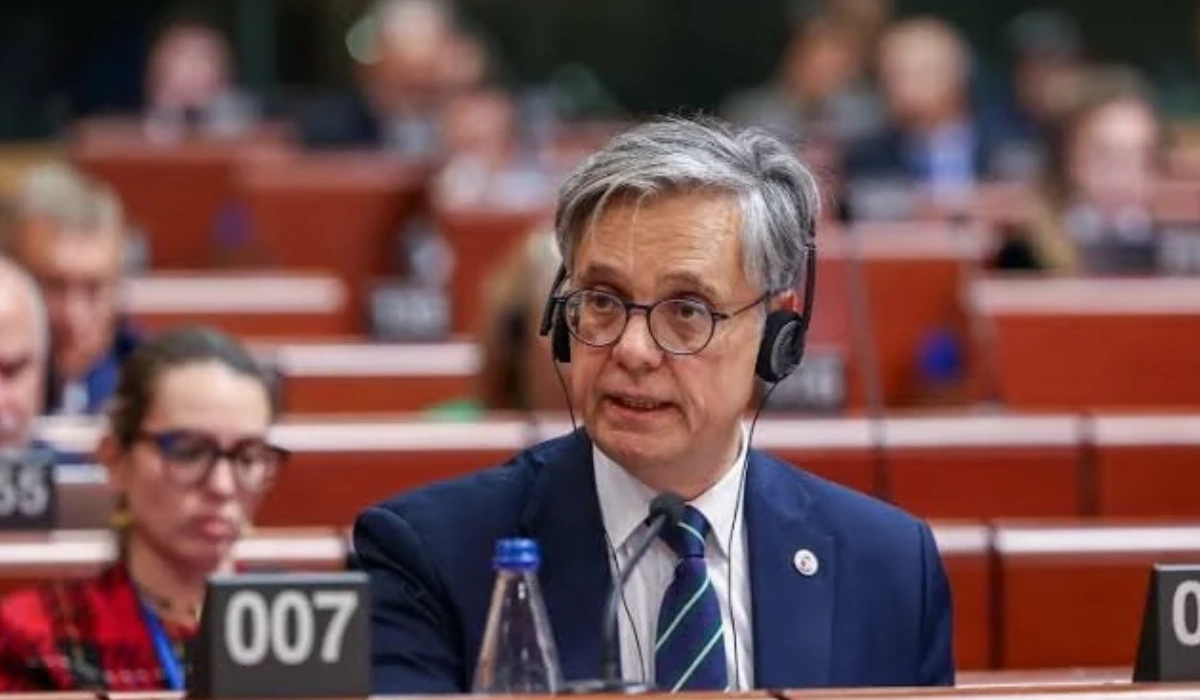
Monaco (Monaco Weekly Newspaper) October 28, 2026 – Monaco’s Minister of the Interior, Lionel Beffre, addressed the 51st plenary session of the Congress of Local and Regional Authorities of the Council of Europe today, speaking on behalf of Monaco’s current chairmanship of the Committee of Ministers. Emphasising that local and regional leaders directly serve 700 million citizens across the continent, Beffre called for enhanced international cooperation to counter societal polarisation, protect democratic institutions, and combat disinformation targeting European youth. Reaffirming unwavering support for Ukraine’s sovereignty, the Monegasque Minister singled out the protection of forcibly displaced Ukrainian children as an urgent priority while backing a new environmental protocol to strengthen local self-government.
- Key Points
- How Did Lionel Beffre Frame the Role of Local Authorities in Safeguarding Democracy?
- What Support Did the Council of Europe Presidency Reaffirm for Ukraine?
- How Does Monaco Propose Addressing Societal Polarisation and Institutional Trust?
- Background of Monaco’s Presidency of the Committee of Ministers and the 51st Congress Session
- How This Development Will Affect European Municipal Governance and Regional Authorities
How Did Lionel Beffre Frame the Role of Local Authorities in Safeguarding Democracy?
Speaking at the Palais de l’Europe in Strasbourg during Monaco’s presidency of the Committee of Ministers, Lionel Beffre highlighted the critical responsibility local leaders hold in upholding democratic freedoms.
As reported by Mirage News, Monaco’s Minister of the Interior Lionel Beffre emphasised that local and regional authorities represent the foundational bedrock of governance for 700 million Europeans, serving as the frontline guardians of human dignity and fundamental rights.
Addressing the 51st session of the Congress, Beffre stressed that protecting democratic governance requires empowering younger generations to navigate fragmented media environments.
As reported by Mirage News, Lionel Beffre stated that:
“Protecting our democracies does not mean deciding for young people (…), but giving them the knowledge, the tools and the critical thinking skills necessary to enable them to stand by their convictions, make their own choices and participate in democratic life.”
Beffre linked youth civic engagement directly to building resilience against disinformation, warning that democratic backsliding often begins when citizens lose faith in institutional transparency.
What Support Did the Council of Europe Presidency Reaffirm for Ukraine?
A central element of Minister Beffre’s address focused on the geopolitical crises facing Europe, particularly the ongoing war of aggression against Ukraine.
As reported by Mirage News, Minister Lionel Beffre reiterated the sincere and steadfast commitment of both the Principality of Monaco and the broader Council of Europe to supporting Ukraine’s defense of international law.
As reported by Mirage News, Lionel Beffre affirmed that:
“Ukraine is defending not only its sovereignty and independence, but also European values and the rules-based international order.”
Highlighting specific humanitarian priorities, Beffre emphasized that the Council of Europe remains dedicated to protecting Ukrainian children who have been unlawfully transferred or forcibly displaced during the conflict. He urged municipal and regional leaders across member states to remain coordinated in offering social, educational, and logistical support to displaced families.
How Does Monaco Propose Addressing Societal Polarisation and Institutional Trust?
In his address to the delegates representing local government bodies across 46 member states, Beffre called for collective action against growing political division.
According to Mirage News, the Monegasque Minister warned that public debate is experiencing unprecedented fragmentation, giving rise to acute political polarisation that threatens institutional stability.
Beffre outlined how these “interlinked phenomena… weaken our democracies, erode citizens’ trust and undermine the credibility of institutions”. To counter these pressures, he urged local authorities to foster inclusive public dialogue and strengthen civic participation frameworks at the grassroots level.
Concluding his intervention, Minister Beffre formally expressed Monaco’s strong interest in and endorsement of two major policy initiatives before the Congress:
- The New Democratic Pact: An overarching framework aimed at revitalizing democratic governance and civic engagement across European municipalities.
- Additional Protocol on the Environment: A proposed legal addendum to the European Charter of Local Self-Government enshrining the right to a healthy environment as a fundamental local governance responsibility.
Background of Monaco’s Presidency of the Committee of Ministers and the 51st Congress Session
The Principality of Monaco assumed the rotating Presidency of the Committee of Ministers of the Council of Europe for the first time on 15 May 2026, with its six-month term concluding on 10 November 2026. During its presidency, Monaco has prioritized youth engagement, child protection, human rights education, and strengthening the rule of law.
The 51st session of the Congress of Local and Regional Authorities, held in Strasbourg from 27 to 29 October 2026, brings together grassroots elected representatives from across 46 European nations. The Congress serves as a key pillar of the Council of Europe, tasked with monitoring local democracy, observing local elections, and promoting regional self-government under the European Charter of Local Self-Government.
How This Development Will Affect European Municipal Governance and Regional Authorities
Minister Beffre’s address to the Congress of Local and Regional Authorities sets a clear operational agenda for municipal leaders across Council of Europe member states.
1. Accelerated Adoption of Youth-Focused Anti-Disinformation Programs
Following Monaco’s explicit backing of youth empowerment, local councils and municipal education departments across Europe are expected to expand investments in media literacy and critical thinking initiatives. City governments will increasingly partner with non-governmental organizations to equip young people with tools to identify online disinformation ahead of local elections.
2. Integration of Environmental Protocols into Municipal Mandates
With Monaco supporting the proposed Additional Protocol to the European Charter of Local Self-Government, regional and municipal bodies will face increased legal and policy expectations regarding environmental protection. Municipalities will likely incorporate formal rights-based environmental assessments into local planning, urban development, and climate resilience projects.
3. Expanded Local-Level Support Networks for Displaced Ukrainian Families
The re-emphasis on child protection and support for Ukraine will encourage European cities to maintain and expand funding for integration initiatives. Municipalities will continue to play a primary role in securing housing, schooling, and psychological support for displaced children, ensuring regional communities maintain long-term alignment with international legal standards.