Key Points
- International Paralympic Committee (IPC) First Vice-President Leila Marques Mota urged political and sporting leaders to ensure children with disabilities gain equal access to physical activity and safe environments free from violence.
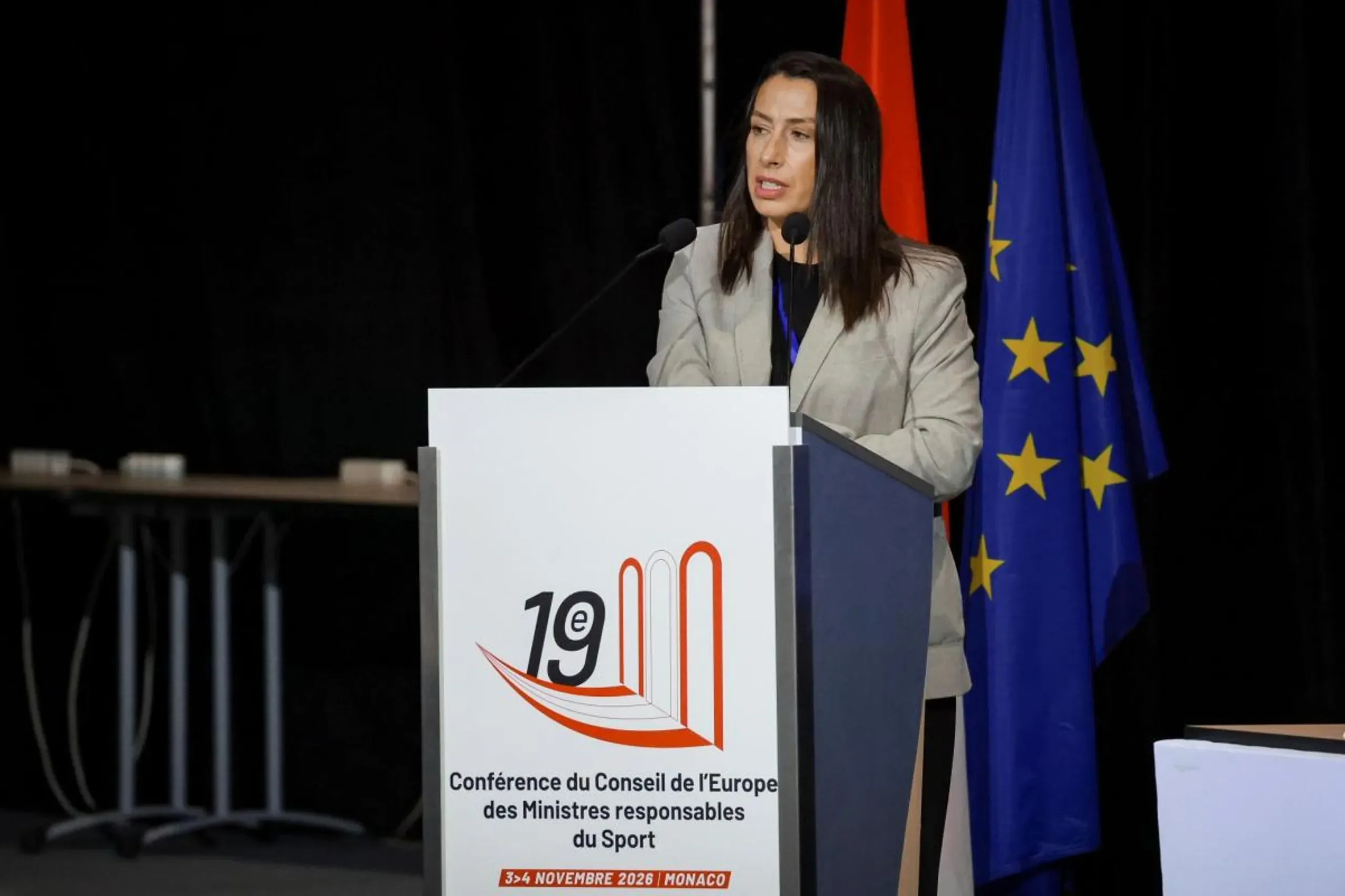
- Speaking at the 19th Council of Europe Conference of Ministers Responsible for Sport in Monaco, Marques highlighted that one in three children with disabilities has no access to physical education, while 90% in emerging countries remain excluded from education entirely.
- The four-time Paralympian linked physical inclusion directly to child safeguarding, emphasizing that expanding access without accessible reporting channels, trained staff, and abuse protections increases vulnerability.
- Council of Europe Secretary General Alain Berset echoed the appeal, stating that human rights, democracy, and the rule of law must extend to athletic fields.
- The international conference, hosted at the Grimaldi Forum under Monaco’s presidency of the Committee of Ministers, concluded with the official adoption of a resolution to promote safer and healthier sport for children and young people.
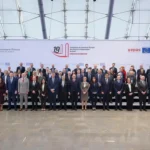
Monaco (Monaco Weekly Newspaper) November 7, 2026 – International Paralympic Committee (IPC) First Vice-President Leila Marques Mota has issued an urgent appeal to international political and sporting figures to dismantle physical and social barriers facing young people with disabilities while instituting rigorous child safeguarding protocols. Addressing approximately 300 delegates—including 25 ministers and state secretaries—at the 19th Council of Europe Conference of Ministers Responsible for Sport at the Grimaldi Forum in Monaco on Wednesday, 4 November 2026, the four-time Paralympian asserted that access to physical activity must be treated as a fundamental human right rather than an optional privilege. The high-level conference, held under the Principality of Monaco’s presidency of the Council of Europe’s Committee of Ministers, concluded with the formal adoption of an international resolution to enforce child protection, mental well-being, and inclusive access across European sports infrastructure.
- What Did Leila Marques State Regarding Exclusion and Accessibility in Youth Sport?
- Why Must Child Safeguarding Protocols Be Integrated into Inclusive Sports Programs?
- What Were the Key Outcomes of the 19th Council of Europe Conference in Monaco?
- Background of the Particular Development After the News
- How This Development Can Affect National Governments, Sports Federations, and Athletes with Disabilities
What Did Leila Marques State Regarding Exclusion and Accessibility in Youth Sport?
As reported by sports policy correspondents at Insidethegames and official proceedings from the International Paralympic Committee (IPC), First Vice-President Leila Marques Mota framed the gap between legislative rights and actual athletic opportunities as a major systemic failure affecting millions of children worldwide.
Marques, who made her Paralympic debut in Para swimming at the Atlanta 1996 Games and represented Portugal across four consecutive Games, emphasized the transformative nature of physical education. As reported by Insidethegames, Leila Marques stated: “Sport opens doors, creates opportunities, and transforms lives”.
However, she presented stark global metrics demonstrating widespread systemic exclusion. Marques cited data showing that one in three children with disabilities has no access to physical education programs. Furthermore, in emerging nations, up to 90 per cent of children with disabilities remain completely excluded from formal education systems. The IPC noted in an official statement that these metrics underscore severe structural deficits in public infrastructure.
Addressing delegates at the Grimaldi Forum, Marques detailed the tangible physical obstacles preventing participation, including inaccessible facilities, lack of adaptive equipment, inadequate transit options, and entrenched social exclusion.
As reported by the IPC Media Centre, Leila Marques insisted: “Inclusion cannot be an optional extra”. She explained that when children are excluded from sports grounds, the damage extends far beyond physical health, depriving young people of opportunities to build self-confidence, develop independence, form friendships, and participate fully in civic life.
Why Must Child Safeguarding Protocols Be Integrated into Inclusive Sports Programs?
According to official conference reports published by the Council of Europe press office, the second core pillar of Marques’s address focused on protecting young participants from harassment, abuse, neglect, and exploitation within sports environments.
Marques warned that expanding access to sports without establishing robust protective frameworks creates dangerous vulnerabilities for young athletes, particularly those with physical or cognitive impairments who may face communication barriers.
As reported by Insidethegames, Leila Marques stated: “Every child must be able to train, compete, and play in an environment that is safe, supportive, and respectful”.
To protect vulnerable participants, the IPC official called for:
- Tailored Reporting Channels: Accessible, confidential mechanisms designed specifically for children with communication difficulties to report misconduct.
- Specialized Staff Training: Mandatory instruction for coaches, referees, and club administrators to identify subtle signs of vulnerability and abuse.
- Institutional Accountability: Vetted recruitment procedures, strict background checks, and clear operational codes of conduct across all sporting federations.
- Parental Trust: Transparent organizational procedures that allow families to feel confident in the safety of local clubs and national federations.
Concurrently, Council of Europe Secretary General Alain Berset reinforced the necessity of institutional legal oversight in European athletics. As reported by the Council of Europe, Alain Berset stated: “Human rights, democracy and the rule of law do not stop at the side of the playing field”.
What Were the Key Outcomes of the 19th Council of Europe Conference in Monaco?
As detailed by legal and sporting delegates representing the Principality of Monaco, the two-day ministerial summit addressed a wide range of athletic challenges, culminating in a binding commitment to reform youth sports governance.
The conference sessions, co-organized with the Governing Board of the Enlarged Partial Agreement on Sport (EPAS), examined independent response frameworks to allegations of violence, overtraining hazards, concussion management, mental health support, and the prevention of excessive performance pressure on young athletes.
The summit concluded with the unanimous adoption of a comprehensive ministerial resolution aimed at promoting safer, healthier, and more inclusive sport for children and young people across Europe. Additionally, on the sidelines of the meeting, the Principality of Monaco officially signed the Council of Europe Convention on the Manipulation of Sports Competitions (the Macolin Convention), strengthening international legal cooperation.
Closing her address to the assembly, Leila Marques left delegates with a final challenge regarding implementation. As reported by Insidethegames, Leila Marques concluded: “When children are given the opportunity to play, participate, and thrive in safety, everyone wins”.
Background of the Particular Development After the News
The adoption of the ministerial resolution in Monaco represents a pivotal step in aligning European sports governance with international human rights standards. Historically, youth sports administration and disability advocacy operated in isolated policy spheres. National governments often focused infrastructure budgets on high-performance Olympic facilities, leaving local Paralympic clubs and adaptive physical education programs severely underfunded. Furthermore, systemic safeguarding failures across international sports federations over the past decade have highlighted profound structural gaps in how athletic organizations protect minor athletes from physical, emotional, and sexual abuse.
The 19th Council of Europe Conference of Ministers Responsible for Sport took place during Monaco’s presidency of the Committee of Ministers, providing a prominent international platform to merge inclusion and safeguarding into a single policy agenda. By embedding disability access into European child safety frameworks, the Council of Europe and the IPC aim to compel member states to upgrade physical infrastructure, mandate background checks for coaching personnel, and establish independent reporting bodies that operate free from the conflicts of interest often found within national sports federations.
How This Development Can Affect National Governments, Sports Federations, and Athletes with Disabilities
The adoption of the Monaco resolution and the policy directives issued by the IPC will generate significant administrative, legal, and operational changes across the global sporting landscape.
Impact on National Governments and Municipal Authorities
For European ministries of sport, education, and municipal infrastructure, the resolution will necessitate direct statutory revisions and budget realignments. Governments will face increasing legal and political pressure to enforce strict accessibility standards for public sports venues, schools, and transport systems. National funding allocations for sports federations are likely to become contingent on verified compliance with child protection codes, accessible facility design, and inclusive physical education curricula in state schools.
Impact on Sports Federations, Clubs, and Coaching Personnel
For regional sports clubs, national governing bodies, and coaching staff, the new guidelines require a comprehensive overhaul of daily operational practices. Federations will need to implement mandatory safeguarding training modules, establish independent oversight panels for abuse allegations, and create accessible, multi-lingual reporting procedures tailored for athletes with communication disabilities. Local sports clubs that fail to update recruitment vetting protocols or maintain accessible facilities risk losing accreditation, public grants, and liability insurance coverage.
Impact on Children with Disabilities and Expatriate Families
For children with disabilities, young athletes, and their families, the execution of these commitments will unlock expanded access to community sports programs, adaptive equipment, and competitive athletic pathways. Enhanced safety standards and independent reporting channels will provide parents with greater confidence when enrolling children in sports programs. Ultimately, systematically removing physical and social barriers will enable millions of young people with disabilities to exercise their right to physical health, build independence, and participate fully in athletic life.