Key Points
- Bambara Overhauls Culinary Concept: Landmark downtown Salt Lake City fine-dining establishment Bambara, located inside the Hotel Monaco, has unveiled a major menu overhaul featuring 31 new items, transitioning from traditional course structures to a tapas-style, shareable “socials” and “provisions” format.
- Return of Fan Favourites and Local Sourcing: Under Executive Chef Jackie Siao and Food and Beverage Director Tony Coppernoll, Bambara is emphasizing locally sourced proteins—including local UT47 wagyu beef—while bringing back its famous blue cheese chips in their original form.
- Seasonal Halloween Transformations: The Little America Hotel in downtown Salt Lake City has transformed its Lucky H Buffet into the “Lucky Boo-ffet” and converted the Lucky H Bar into “The Count’s Lounge,” offering themed dining, fortune telling, and costume discounts through October.
- Regional Restaurant Openings: New dining spots across the Wasatch Front include national chain Salt & Straw in Riverton, Pho Mai Mai in West Valley City, a brick-and-mortar location for food truck Big South in Sugar House, Juice It Up! in Herriman, and Qdoba in Clinton.
- Notable Closures Across Utah: Marcato Kitchen has shuttered its food booth inside Woodbine Food Hall, while long-standing northern Utah staple El Sol Mexican Restaurant in Logan has closed its doors after 51 years of operation.
Monaco (Monaco Weekly News) October 24, 2026 — Downtown Salt Lake City’s landmark fine-dining establishment Bambara has introduced a dynamic menu redesign aimed at shifting the restaurant from a special-occasion destination to a versatile culinary hub. Featuring 31 new dishes structured around shareable plates, locally sourced meats, and the revival of classic menu staples, the revamp marks a major structural evolution for the nearly 30-year-old restaurant. The menu overhaul leads a busy week in Utah’s food and beverage sector, marked by seasonal Halloween pop-ups, regional brick-and-mortar expansions, and the permanent closure of a 51-year-old Logan institution.
- Key Points
- What Key Menu and Operational Changes Have Been Introduced at Bambara?
- How Are Utah Hotels and Businesses Celebrating the Halloween Season?
- What New Restaurant Openings and Closures Are Shaping Utah’s Dining Scene?
- Background of Downtown Salt Lake City’s Fine-Dining Evolution
- How These Culinary Shifts Will Affect Salt Lake City Diners and Hospitality Operators
As reported by Kolbie Peterson, food and drink reporter for The Salt Lake Tribune, landmark downtown Salt Lake City fine-dining restaurant Bambara, situated inside the Hotel Monaco at 202 S. Main St., has launched a comprehensive menu overhaul designed to redefine its dining experience. Operating within the historic Continental Bank building since 1999, the restaurant has replaced its traditional starter-salad-entree format with tapas-style “provisions,” raw bar selections, and shareable “socials” featuring 31 newly developed items spanning gluten-free, vegan, and vegetarian options.
As reported by Kolbie Peterson in The Salt Lake Tribune, the strategic repositioning is led by Executive Chef Jackie Siao, who has headed the kitchen for nearly a year, alongside Hotel Monaco Food and Beverage Director Tony Coppernoll. The updated culinary direction seeks to broaden Bambara’s market appeal beyond anniversary and holiday dining, offering flexible price points and casual small plates for theatre-goers attending events at the nearby Eccles Theater while maintaining its tradition of serving game meats like bison and elk sourced from local suppliers.
What Key Menu and Operational Changes Have Been Introduced at Bambara?
As reported by Kolbie Peterson of The Salt Lake Tribune, Bambara’s new menu strategy focuses on social, shared dining while paying homage to the establishment’s nearly three-decade heritage. Food and Beverage Director Tony Coppernoll explained that the team explicitly leaned into the restaurant’s history by restoring its signature blue cheese chips in their exact original form—an item that had earned a ceremonial “moment of silence” from loyal patrons when it was briefly removed in 2022.
Detailing specific menu additions evaluated during a press tasting, Kolbie Peterson highlighted two standout creations championed by Executive Chef Jackie Siao:
- Fried Halloumi ($11): Cubes of Middle Eastern halloumi cheese coated in crunchy panko breadcrumbs and fried, dressed with fresh raspberries, local hot honey, and a zesty gremolata. Siao described the dish as “an elevated baked brie, with lots of textures.”
- UT47 Wagyu Beef Short Rib ($48): Locally raised wagyu beef braised for six to seven hours, steeped in braising liquid overnight, and served with a Korean barbecue-inspired gochujang sauce, a miso-infused turnip puree with ginger, crispy garlic, and a side of braised turnips and pears functioning as a palate cleanser.
As reported by The Salt Lake Tribune, Bambara continues to operate inside its grand former bank lobby setting—characterized by brown leather booths, high ceilings, abundant greenery, teller window partitions, and north-facing windows along 200 South. The restaurant serves daily brunch from 7:00 a.m. to 1:30 p.m., with dinner hours running Sunday through Thursday from 5:00 p.m. to 9:00 p.m., and Friday through Saturday from 5:00 p.m. to 10:00 p.m.
How Are Utah Hotels and Businesses Celebrating the Halloween Season?
As reported by Kolbie Peterson of The Salt Lake Tribune, the Little America Hotel, located at 500 S. Main St. in downtown Salt Lake City, has launched two major October pop-up concepts:
- The Lucky Boo-ffet: The hotel’s Lucky H Buffet has been temporarily rebranded through Halloween, featuring spooky seasonal decor, specialty Halloween pastries served during dinner service, and live roaming witch actors performing every Friday from 6:00 p.m. to 8:00 p.m. Operating daily from 4:30 p.m. to 8:30 p.m. without reservations required, pricing is set at $15 for children aged 5–12 (free for under 4), and $49 to $69 for adults, with a 20 per cent discount offered to guests wearing Halloween costumes.
- The Count’s Lounge: The adjacent Lucky H Bar has been transformed into a Halloween-themed venue offering a specialty cocktail menu, festive decor, and complimentary fortune-telling sessions—including tarot card readings on Wednesdays and palm readings on Thursdays from 7:00 p.m. to 9:00 p.m. Costumed patrons similarly receive a 20 per cent food discount.
What New Restaurant Openings and Closures Are Shaping Utah’s Dining Scene?
As reported across local food announcements and compiled by Kolbie Peterson of The Salt Lake Tribune, several notable culinary moves have taken place across the Wasatch Front and northern Utah:
Regional and National Openings
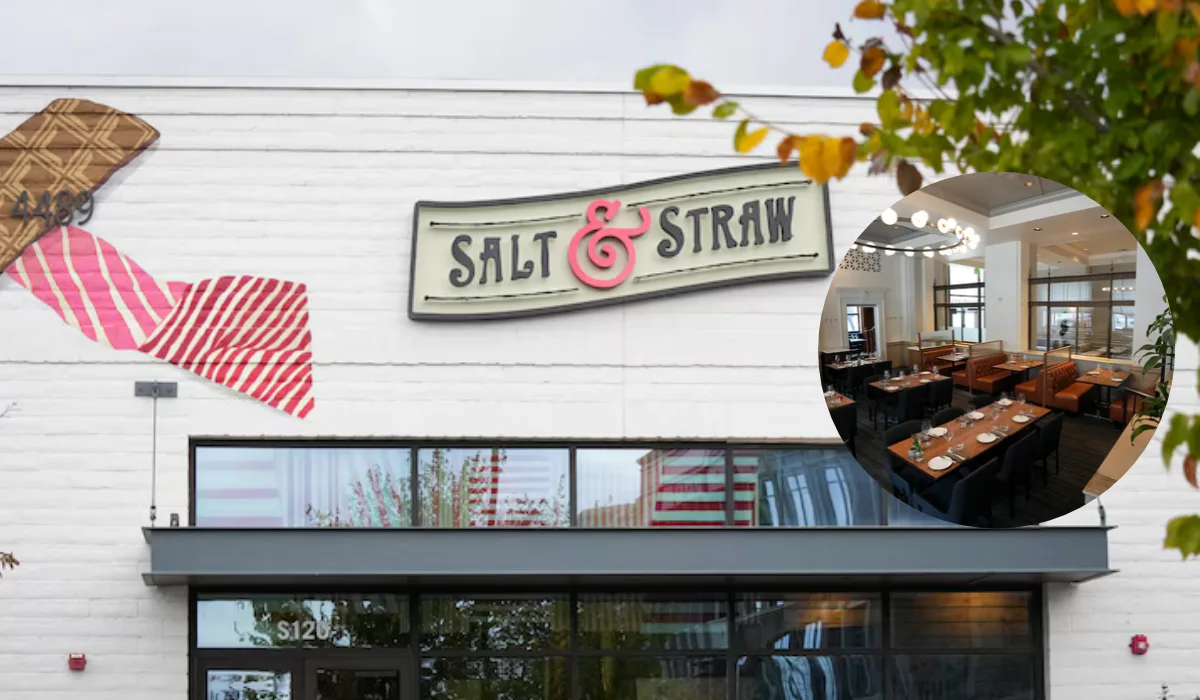
- Salt & Straw (Riverton): The nationally recognized ice cream brand opened its debut Utah store at Mountain View Village (4489 W. Partridge Hill Lane, Suite S-120), featuring creative flavor combinations like Chocolate Malted Potato Chip Cupcake.
- Pho Mai Mai (West Valley City): A new Vietnamese eatery currently in its soft opening phase at 1898 W. 3500 South, offering a focused menu featuring traditional beef pho.
- Big South (Sugar House): The popular soul food and barbecue food truck has expanded into its first brick-and-mortar storefront at 2030 S. 900 East, Suite D, serving full portions of fried catfish, macaroni and cheese, and collard greens.
- Juice It Up! (Herriman): The national juice, smoothie, and acai bowl chain expanded its Utah footprint with a new storefront at 5101 W. Miller Crossing Drive, Suite C.
- Qdoba (Clinton): The fast-casual Mexican restaurant network opened a new location at 1867 N. 2000 West.
Permanent and Temporary Closures
- Marcato Kitchen (Salt Lake City): The stromboli specialist has closed its vendor booth inside Woodbine Food Hall. In an official social media statement, the owners noted: “We don’t know exactly what the future holds, but we hope this is a ‘see you later’ rather than goodbye forever.”
- El Sol Mexican Restaurant (Logan): A landmark culinary institution in northern Utah, El Sol officially shuttered after 51 years of continuous operation. In a farewell statement posted to Facebook, ownership stated: “We want to thank you for your business, loyalty and friendships.”
Background of Downtown Salt Lake City’s Fine-Dining Evolution
Bambara’s repositioning reflects broader structural changes across Salt Lake City’s downtown hospitality sector following the COVID-19 pandemic. Established in 1999 as part of the Kimpton Hotel Monaco development inside the historic 1920s Continental Bank building, Bambara emerged as a foundational anchor for upscale dining in the city center. Known historically for formal multi-course service, high-end wine programs, and regional game meats, the restaurant earned national recognition while serving as a primary dining venue for theater attendees, corporate travelers, and special celebrations.
However, shifting post-pandemic dining habits—characterized by casual spending patterns, increased demand for flexible small-plate dining, and higher operational food costs—led many legacy fine-dining venues to re-evaluate traditional menus. Following leadership transitions over recent years, Chef Jackie Siao’s appointment marked a deliberate shift toward modernized, accessible hospitality, aligning Bambara’s historic ambiance with contemporary consumer preferences for casual, shared gastronomy.
How These Culinary Shifts Will Affect Salt Lake City Diners and Hospitality Operators
The strategic menu overhaul at Bambara and broader shifts across the local restaurant landscape carry distinct implications for various regional stakeholders:
1. Downtown Theater-Goers and Casual Diners
The transition to a tapas-style “socials” menu provides theater patrons visiting the Eccles Theater or Capitol Theatre with a flexible dining option. Diners are no longer committed to two-hour, multi-course meals or high entree price points, enabling quicker, lower-cost dining visits that are likely to increase weeknight foot traffic for the Hotel Monaco.
2. Independent Food Truck Owners and Food Hall Vendors
The successful transition of Big South from a food truck into a permanent Sugar House restaurant storefront underscores a viable growth playbook for local mobile vendors. Conversely, the closure of Marcato Kitchen inside Woodbine Food Hall highlights persistent margin pressures within shared food hall spaces, encouraging micro-restaurateurs to seek dedicated brick-and-mortar locations or hybrid catering models to secure long-term profitability.
3. Northern Utah Legacy Restaurant Operators
The closure of El Sol Mexican Restaurant after 51 years in Logan serves as a bellwether for long-standing family-owned establishments across Utah facing rising commercial rents, labor supply shifts, and changing demographics. Legacy operators across the state will increasingly need to adapt menu formats and digital marketing strategies to retain younger customer bases while managing escalating operational expenses.